
The Rise of Subagents: Why Data Engineering Agents Need a Layered Architecture
A single "omniscient" AI agent cannot reliably solve data engineering. The future belongs to layered, domain-aware subagents.
TL;DR
- Single "omniscient" AI agents fail at data engineering due to lack of structure and scoped knowledge
- Subagent Architecture uses a two-layer design: foundational abilities + domain-specific context
- Foundational subagents (GenSQL, SQL Summary, Semantic, etc.) provide reusable reasoning skills
- Domain subagents combine these abilities with scoped context to create accurate, business-aware copilots
- This architecture enables meaningful feedback loops, RL training, and production-grade reliability
This article is part of the Data Engineering Agent Complete Guide series
Modern data systems are too complex, too contextual, and too domain-specific for a universal model to handle reliably. LLMs are powerful, but without structure, context, and specialization, they hallucinate—especially in data workflows.
This article explains why Subagent Architecture is emerging as the standard pattern for data engineering agents and how a layered system dramatically improves accuracy, stability, and scalability.
1. Why a Single General Agent Fails
Data engineering is not just SQL generation. It requires understanding:
- evolving schemas
- business rules embedded in SQL
- metric definitions
- historical reasoning patterns
- permissions and governance
- domain semantics
- cross-table relationships
- lineage and constraints
This creates a huge, contextual search space that LLMs struggle to navigate reliably. Typical symptoms of a monolithic agent:
- hallucinated joins
- incorrect metrics
- mismatched dimensions
- brittle SQL that breaks across datasets
- no stable feedback loop
- inconsistent answers depending on prompt phrasing
The problem isn’t model size. The problem is missing structure and scoped knowledge.
2. The Subagent Architecture (Two-Layer Design)
A scalable data agent must be specialized, tool-augmented, and grounded in context. This leads naturally to a two-layer Subagent Architecture.
Super Agent (Router & Clarifier)
 ├── GenSQL Subagent
 ├── SQL Summary Subagent
 ├── Semantic Subagent
 ├── Catalog Permissioning Subagent
 └── (Optional) GenMetrics Subagent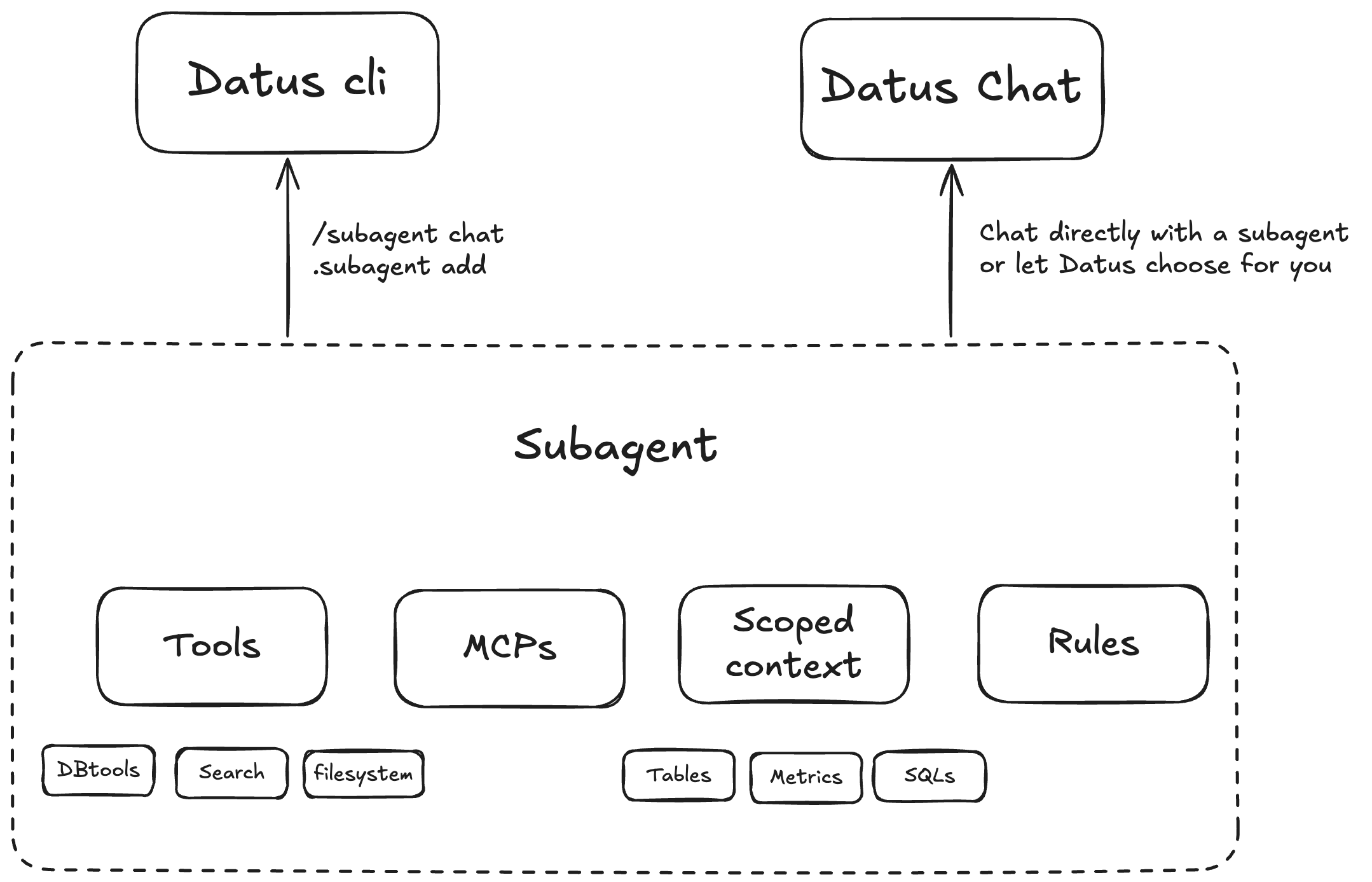
Figure 1: Two-layer subagent architecture showing how foundational abilities combine with domain context
These foundational abilities combine with domain-scoped context to produce powerful, business-aware copilots.
3. Layer 1: Foundational Subagents (Reusable Abilities)
Foundational subagents are “skills.” They operate at the reasoning level and are reusable across all domains.
Typical foundational subagents
| Subagent | Purpose | Toolsets |
|---|---|---|
| GenSQL Subagent | Generates and fixes SQL | DB + Search tools |
| SQL Summary Subagent | Explains SQL, extracts dependencies, classifies intent | DB + File tools |
| Semantic Subagent | Generates semantic models, dimensions, measures | DB + Metrics tools |
| GenMetrics (optional) | Derives metrics from SQL & rules | Metrics tools |
| Catalog Permissioning | Understands access rules, lineage, permissions | DB + Catalog tools |
These modules form the reasoning primitives of the entire system.
They know how to do tasks — but not what they mean to the business yet.
4. Layer 2: Domain Subagents (Business-Aware Copilots)
When foundational abilities are combined with scoped context, you get true domain copilots:
- curated tables
- curated metrics
- reference SQL
- business rules
- known dimensions
- allowed toolsets
- evaluation traces
- success stories
Examples
GenSQL Subagent + Marketing Context → Marketing Analytics Copilot
GenSQL Subagent + Supply Chain Context → Supply Chain Ops Copilot
GenSQL Subagent + Game Economy Context → Game Economy Copilot
These copilots are:
- accurate
- explainable
- constrained
- trainable
- maintainable
Scoped context dramatically reduces hallucination and increases stability.
5. The Role of the Super Agent
Above all subagents sits a Super Agent (router/orchestrator). It performs:
- Intent classification
- Request clarification
- Delegation to foundational subagents
- Routing into the correct domain copilot
- Multi-step reasoning orchestration
It does not try to solve everything itself. It coordinates the right specialists.
6. Why This Architecture Works
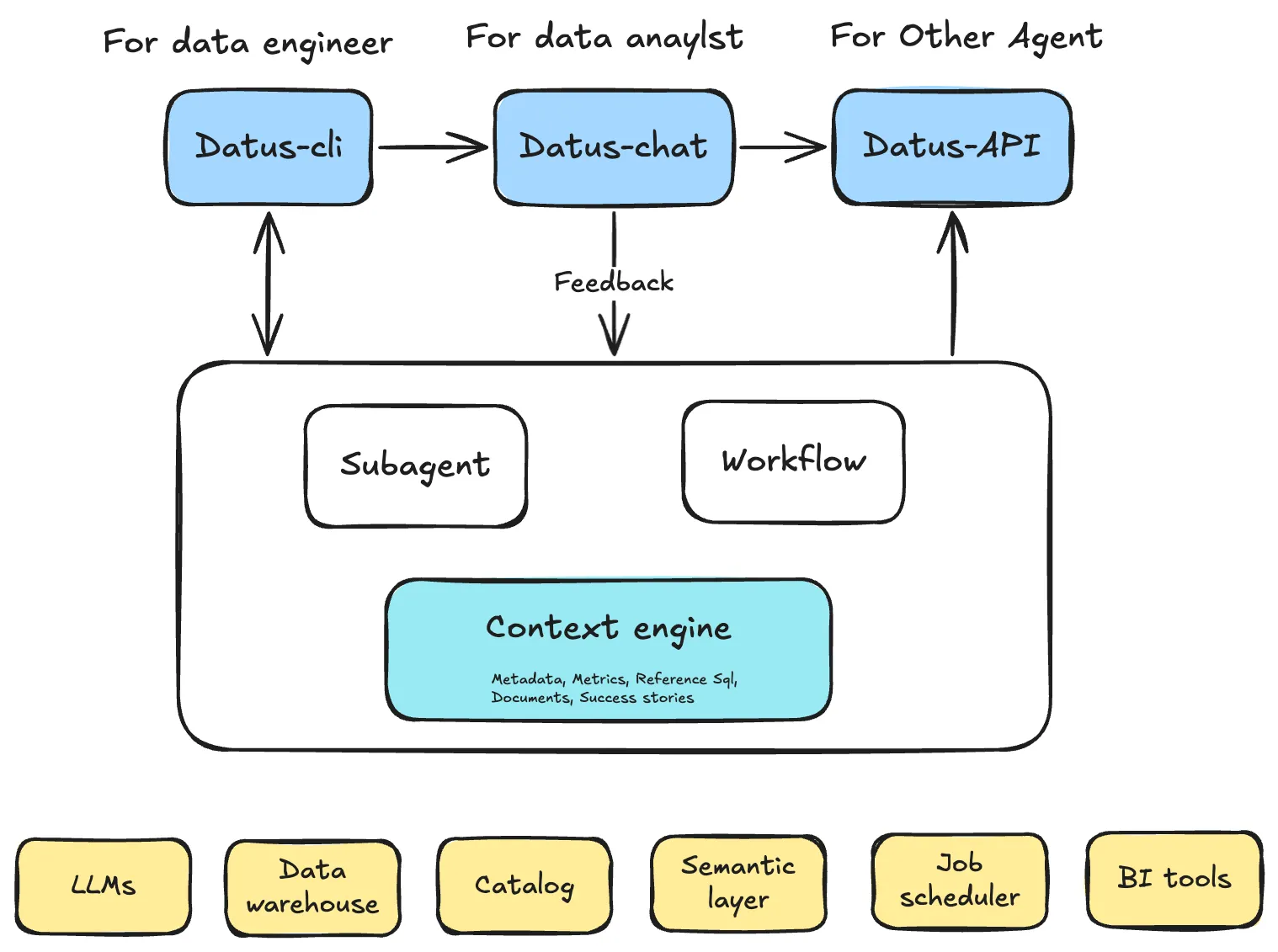
Figure 2: The formula combining foundational abilities with scoped context to create reliable agents
1. Strong Separation of Concerns
- Foundational subagents → reasoning skills
- Domain subagents → business semantics
- Router → orchestration
This mirrors real data teams.
2. Scoped Context = High Accuracy
Restricting the agent to the relevant subset of:
- tables
- metrics
- rules
- SQL patterns
Makes behavior deterministic and safe.
3. Meaningful Feedback Loops
Corrections update only the domain context, allowing:
- versioning
- evaluation
- model fine-tuning
- stable iteration
4. Ideal for RL and Benchmarking
Each subagent becomes an isolated training environment:
- Question → SQL → Execution → Reward
- Question → Metric → Validation → Reward
- Question → Summary → Comparison → Reward
RL becomes practical.
7. What This Means for the Future of Data Engineering
Traditional data engineering delivered static artifacts:
- pipelines
- tables
- dashboards
AI shifts the deliverable:
Data engineers will deliver domain subagents — reusable, business-aware, continuously improving agents.
A company may run 5–50 subagents:
- Finance Copilot
- Marketing Copilot
- Supply Chain Copilot
- Restaurant Ops Copilot
- Game Economy Copilot
Each with:
- its own context
- its own evaluation suite
- its own lifecycle
- its own feedback mechanism
This is how AI becomes practical in enterprise analytics.
Next Steps
Ready to build production-grade data engineering agents?
- GitHub Repository - Explore the Datus Agent codebase
- Documentation - Learn how to implement subagent architectures
- Join Our Slack - Connect with the community
The Subagent Architecture turns AI from a black box into a programmable, reliable, maintainable system.
Foundational Abilities → GenSQL, SQL Summary, Semantic Modeling, Permissions, Metrics
Scoped Knowledge → tables, metrics, rules, SQL patterns, lineage, governance
Domain Subagents → high-accuracy, business-specific copilots
Router / Super Agent → orchestrator and intent router
This layered architecture is not just an optimization— it is the only scalable way to build production-grade data engineering agents.
Start with Datus
- Studio: Datus Studio Overview
- GitHub: https://github.com/Datus-ai/Datus-agent
- Docs: Datus Docs
- Main site: https://datus.ai